ブログ

Multi-Process Parts: When One Factory Beats Four Suppliers
Sep 06,2026

Multi-Process Parts: When One Factory Beats Four Suppliers

A multi-process part — say, a machined housing with a stamped contact, a spring, and a heat sink feature — is where sourcing strategy changes: splitting it across four specialist factories multiplies logistics, tolerance risk and quality interfaces, while one factory running the processes under one roof removes the handoffs entirely. The break-even is not at high volume; it is the moment your part touches a second process.

Specialist factories quote lower per-process prices, and that is a real number. But the part does not arrive as four processes — it arrives as one assembly, and every interface between the four suppliers is a place where cost, tolerance and schedule leak. This guide lays out the math honestly: when single-factory sourcing wins, when specialists still win, and how to decide with numbers rather than convenience.

Where Multi-Process Cost Actually Hides

Compare like with like: the specialist's four quotes sum to a number, but the delivered cost includes what happens between the quotes. Each handoff carries freight or courier cost, packaging, queue time, a quality interface (who owns a defect found at assembly?), and tolerance risk — the stamped bracket's flatness interacts with the machined pocket it sits in, and nobody owns that interaction except you.

Cost/risk elementFour separate suppliersOne multi-process factory
Per-process unit priceLowest (specialist efficiency)Slightly higher per process, typically
Freight/handling between processes4–6 moves, each with cost and queueZero — internal transfer
Queue time between processesDays per move, schedule risk at eachHours, coordinated schedule
Tolerance stacking ownershipYou own the interfacesFactory owns the assembly fit
Defect responsibilityArgued across PO boundariesOne contract, one quality system
Communication overheadFour contacts, four revision systemsOne engineering thread
Total delivered costOften 10–30% above the sum of quotesClose to the single quote

The takeaway: the specialist quotes are process costs; the delivered cost includes interface costs that no specialist quotes you. When interfaces are trivial — four independent parts that never touch — the specialists win. When parts interact, the interface cost is real money, and it belongs in the comparison.

The Tolerance Question: Who Owns the Fit?

The deepest argument for one factory is dimensional: fit is an interaction. A spring's free length and rate interact with the machined pocket depth; a stamped contact's formed height interacts with the housing's slot; a heat sink's flatness interacts with the device mounting face. When four suppliers each hold their own tolerances, the stack-up at the interfaces is governed by statistics and luck — unless you, the buyer, do the stack-up analysis and allocate the tolerances, which is engineering work you are doing for free.

Interactive featureSingle-factory advantage
Spring seat depth vs. spring free lengthOne engineer fits them against each other
Stamped contact height vs. machined slotAssembly trial at first article, not after shipment
Heat sink flatness vs. device contactSurface control owned by one process chain
Press-fit interfacesFit tolerance allocated inside one quality system

A factory running both processes can assemble a trial unit at the first-article stage and verify the fit before production — something no combination of separate suppliers can do without you coordinating the samples. This is why the drawing-to-approved-sample workflow is where multi-process value is captured: the sample approval covers the assembly, not just the parts.

When Specialists Still Win

Honesty requires the other side of the ledger. Single-factory sourcing loses in three situations: very high volume of a single process (a million stamped terminals a year belongs at a stamping specialist running high-speed presses); exotic processes a generalist does not run well (special plating, exotic alloys, fine blanking at scale); and geographic mismatch (your machined part is in Dongguan but your casting is only economic in Ningbo — see our hub comparison). The decision rule is about interaction, not ideology: if the parts interact, consolidate; if they are independent, split by process strength and let price decide.

SituationBetter choiceWhy
Interacting parts, moderate volumeOne multi-process factoryInterface cost and fit ownership dominate
One process dominates, huge volumeSpecialistHigh-speed process efficiency wins at scale
Parts are fully independentSplit suppliersNo interface cost to pay for
Exotic process needed (fine blanking, special plating)Specialist for that processGeneralists cannot match specialist process control
Prototype-to-mid volume, mixed processesOne factoryEngineering and iteration speed beat price

The Engineering Argument: One Drawing, One Conversation

Multi-process parts concentrate engineering decisions. When one factory holds the whole part, the DFM conversation happens across processes: the engineer can suggest moving a tolerance from the stamped element to the machined one because it is cheaper there, or adjusting a spring seat depth to use a stock wire diameter. Four suppliers cannot have that conversation — each optimizes its own process against your drawing, and the interfaces suffer.

The practical consequence is visible in quoting behavior. A factory that runs multiple lines asks different questions: not only "can we hold this tolerance" but "how does this assemble, and which features actually matter to the fit?" That is the question pattern we described in our guide to identifying capable manufacturers, and it is a stronger signal on multi-process parts than on single-process ones.

The Single-Factory Math, Worked

For a concrete scale: a machined aluminum housing with a pressed-in stamped contact and a spring-loaded terminal — the kind of part used across stamped heat sinks, connectors, and small electromechanical assemblies. Specialists quote $4.10 for the machined part, $0.60 for the stamped contact, $0.30 for the spring: $5.00 in process cost. Between them sit three freight moves (roughly $3–6 per move for small express at this scale, and a day of queue each), your engineering time on interface tolerance, and the risk that a defect found at your assembly line starts a three-way blame loop that costs a week. A single factory quotes $5.80 for everything — process price higher by 16% — but delivers one part, one inspection report, one invoice, and one owner of the fit. Most buyers who run this comparison for interacting parts find the single factory is cheaper by the time the first assembly defect would have occurred — and it is certainly cheaper in calendar time.

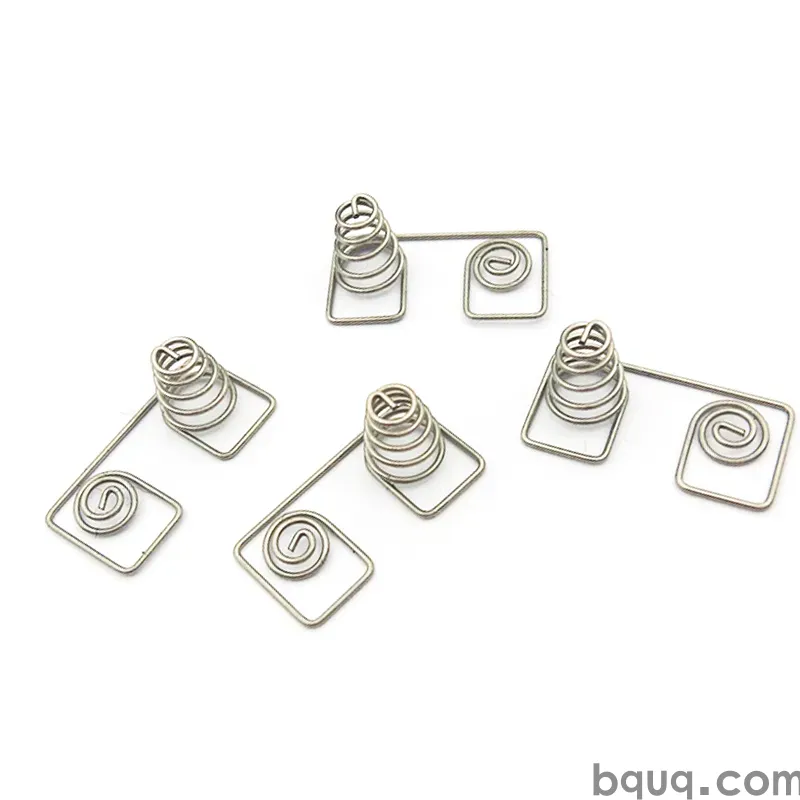
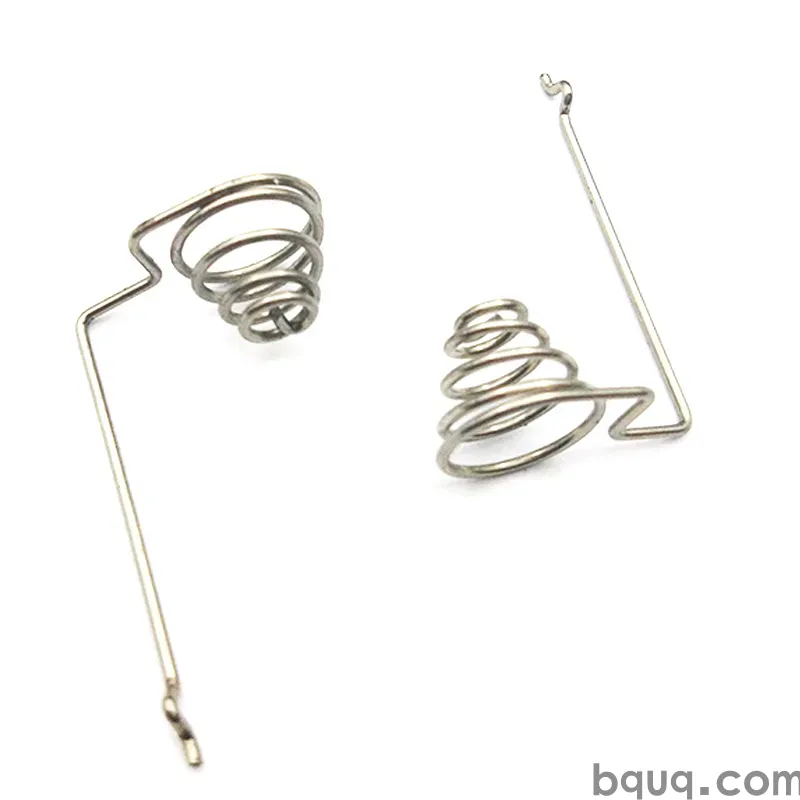
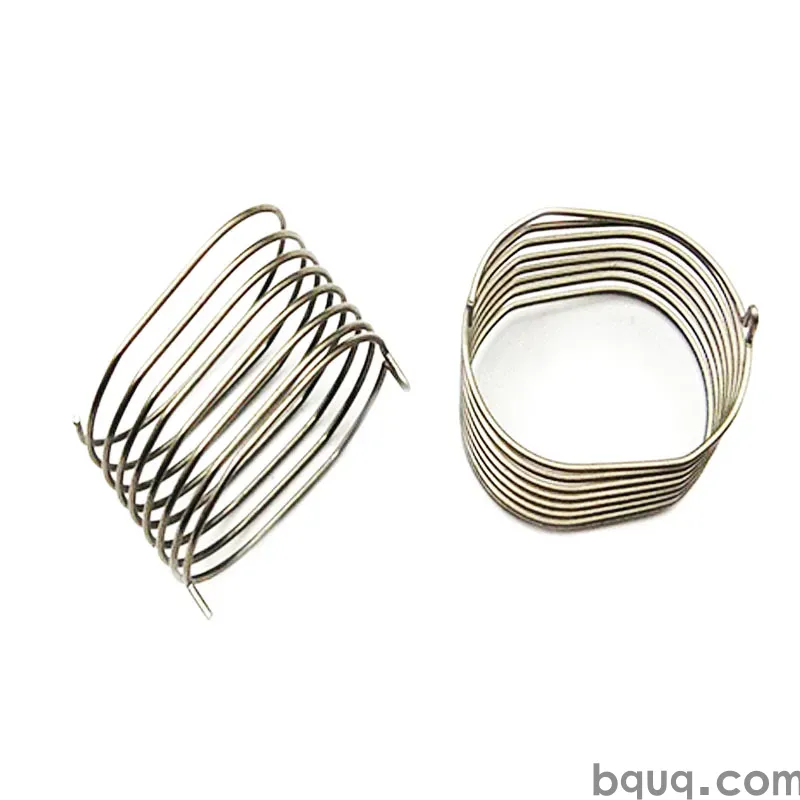
That is the model BQUQ operates: CNC machining, metal stamping, custom springs and heat sink lines under one roof in Dongguan, so a housing, its stamped contact, its spring and its thermal element can be made, inspected and trial-assembled inside one building with one quality system — and quoted as one number, typically within 12 working hours of receiving the drawing (sc@bquq.com, WhatsApp +86 13713157787). Our CNC turning parts, custom springs and stamped heat sinks pages show the process scope; our profile documents the ISO 9001 system that makes the handoffs auditable. Whether single-factory or split sourcing is right for your part is a calculation, not a preference — and now you have the numbers to run it.

Have a drawing? Get a factory quote within 12 hours.
Email sc@bquq.com or WhatsApp +86 137 1315 7787 with your PDF/DXF/STEP file. An engineer reviews it and replies with price, lead time and DFM notes on working days.

Frequently Asked Questions

Q: Isn't it always cheaper to use specialist factories for each process?

Per-process unit price is usually lower with specialists, but multi-process parts pay interface costs — freight, queue time, tolerance stack-up ownership and defect coordination — that no specialist quotes. When parts interact, the single-factory total is often lower. When they are independent, specialists win.

Q: What counts as a "multi-process part"?

Any part or assembly whose function depends on more than one process — a machined housing with a stamped contact, a spring seated in a turned part, a heat sink with stamped clips. The trigger is interaction: if the processes affect each other's fit or function, it is multi-process.

Q: How do I know if tolerance stacking is a real problem for my parts?

Run the stack-up: sum the worst-case or statistical variation of the interacting features across the supplier boundaries. If the assembly fit depends on features from two factories, you own that stack-up. If the interfaces are non-critical, stacking is a non-issue and splitting is fine.

Q: Can one factory really hold quality across CNC, stamping and springs?

Yes, when the processes are mature and one quality system governs them — which is what ISO 9001 certification plus process depth provides. Verify with a trial assembly at first article: the fit and function evidence matters more than any certificate.

Q: At what volume should I switch from one factory to specialists?

When a single process dominates the part and runs at high volume — such as millions of stamped pieces per year — specialist high-speed process economics take over. Below that, interacting parts usually favor consolidation. Re-run the comparison whenever volume changes by an order of magnitude.

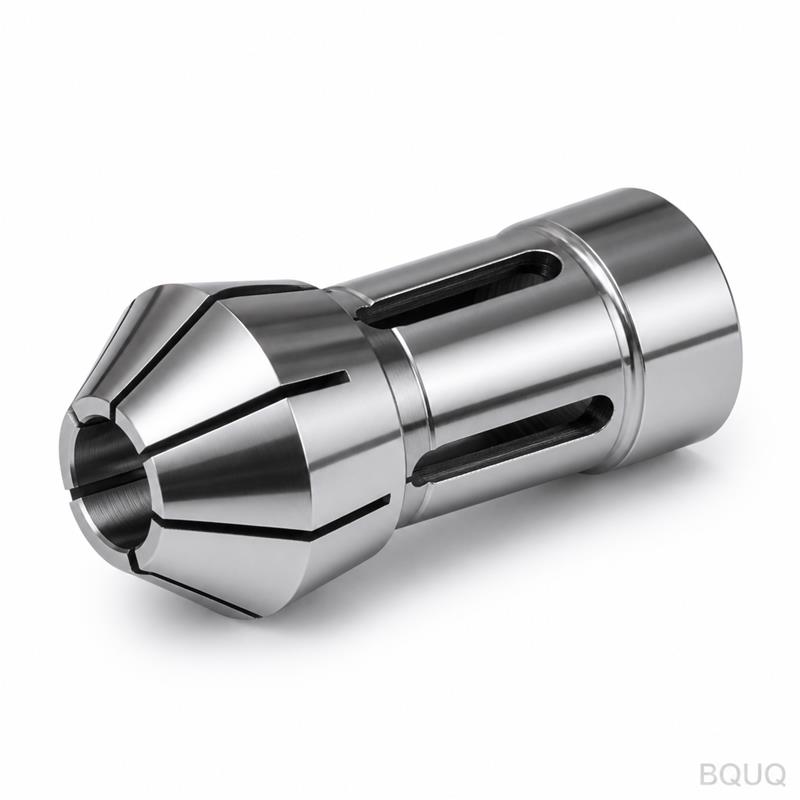
Authored by the BQUQ Engineering Team. BQUQ is an ISO9001-certified source factory in Dongguan, China, running CNC machining, metal stamping, custom springs, heat sink and collet lines under one roof. Send drawings to sc@bquq.com or WhatsApp +86 13713157787 for a quote within 12 working hours. www.bquq.com


お問い合わせ見積もり
見積もりを取得する
私たちはあなたのオンライン体験を改善するためにcookieを使用しています。このウェブサイトを閲覧し続けることで、あなたはcookieの使用に同意したことになります。

Cookies

当社のサービスにアクセスまたは使用する前に、当社の利用規約およびこのポリシーをお読みください。このポリシーまたは利用規約に同意できない場合は、当社のサービスにアクセスまたは使用しないでください。欧州経済領域外の管轄区域にお住まいの場合、当社のサービスを利用することにより、利用規約に同意し、このポリシーで説明されているプライバシーに関する慣行に同意したことになります。当社は、事前通知なしにいつでもこのポリシーを変更することがあり、すでに保有している個人情報、およびポリシーが変更された後に収集された新しい個人情報に変更が適用される場合があります。変更を行う場合は、このポリシーの上部にある日付を修正して通知します。このポリシーに基づくあなたの権利に影響を与える個人情報の収集、使用、開示方法に重大な変更があった場合は、事前に通知します。欧州経済地域、英国、スイス以外の管轄区域にお住まいの場合(以下、総称して「欧州諸国」といいます)、変更通知を受け取った後も引き続き当社のサービスにアクセスまたは利用することは、更新されたポリシーに同意したことを示すものとなります。さらに、当社のサービスの特定の部分における個人情報の取り扱いに関する開示または追加情報を実際立って提供する場合があります。このような通知は、本ポリシーを補完する場合があり、また、当社がお客様の個人情報をどのように処理するかについて追加の選択肢を提供する場合があります。
CookiesCookies are small text files stored on your device when you access most Websites on the internet or open certain emails. Among other things, Cookies allow a Website to recognize your device and remember if you've been to the Website before. Examples of information collected by Cookies include your browser type and the address of the Website from which you arrived at our Website as well as IP address and clickstream behavior (that is the pages you view and the links you click).We use the term cookie to refer to Cookies and technologies that perform a similar function to Cookies (e.g., tags, pixels, web beacons, etc.). Cookies can be read by the originating Website on each subsequent visit and by any other Website that recognizes the cookie. The Website uses Cookies in order to make the Website easier to use, to support a better user experience, including the provision of information and functionality to you, as well as to provide us with information about how the Website is used so that we can make sure it is as up to date, relevant, and error free as we can. Cookies on the Website We use Cookies to personalize your experience when you visit the Site, uniquely identify your computer for security purposes, and enable us and our third-party service providers to serve ads on our behalf across the internet.We classify Cookies in the following categories: ●  Strictly Necessary Cookies ●  Performance Cookies ●  Functional Cookies ●  Targeting CookiesCookie ListA cookie is a small piece of data (text file) that a website – when visited by a user – asks your browser to store on your device in order to remember information about you, such as your language preference or login information. Those cookies are set by us and called first-party cookies. We also use third-party cookies – which are cookies from a domain different than the domain of the website you are visiting – for our advertising and marketing efforts. More specifically, we use cookies and other tracking technologies for the following purposes:Strictly Necessary CookiesThese cookies are necessary for the website to function and cannot be switched off in our systems. They are usually only set in response to actions made by you which amount to a request for services, such as setting your privacy preferences, logging in or filling in forms. You can set your browser to block or alert you about these cookies, but some parts of the site will not then work. These cookies do not store any personally identifiable information.Functional CookiesThese cookies enable the website to provide enhanced functionality and personalisation. They may be set by us or by third party providers whose services we have added to our pages. If you do not allow these cookies then some or all of these services may not function properly.Performance CookiesThese cookies allow us to count visits and traffic sources so we can measure and improve the performance of our site. They help us to know which pages are the most and least popular and see how visitors move around the site. All information these cookies collect is aggregated and therefore anonymous. If you do not allow these cookies we will not know when you have visited our site, and will not be able to monitor its performance.Targeting CookiesThese cookies may be set through our site by our advertising partners. They may be used by those companies to build a profile of your interests and show you relevant adverts on other sites. They do not store directly personal information, but are based on uniquely identifying your browser and internet device. If you do not allow these cookies, you will experience less targeted advertising.How To Turn Off CookiesYou can choose to restrict or block Cookies through your browser settings at any time. Please note that certain Cookies may be set as soon as you visit the Website, but you can remove them using your browser settings. However, please be aware that restricting or blocking Cookies set on the Website may impact the functionality or performance of the Website or prevent you from using certain services provided through the Website. It will also affect our ability to update the Website to cater for user preferences and improve performance. Cookies within Mobile ApplicationsWe only use Strictly Necessary Cookies on our mobile applications. These Cookies are critical to the functionality of our applications, so if you block or delete these Cookies you may not be able to use the application. These Cookies are not shared with any other application on your mobile device. We never use the Cookies from the mobile application to store personal information about you.If you have questions or concerns regarding any information in this Privacy Policy, please contact us by email at . You can also contact us via our customer service at our Site.